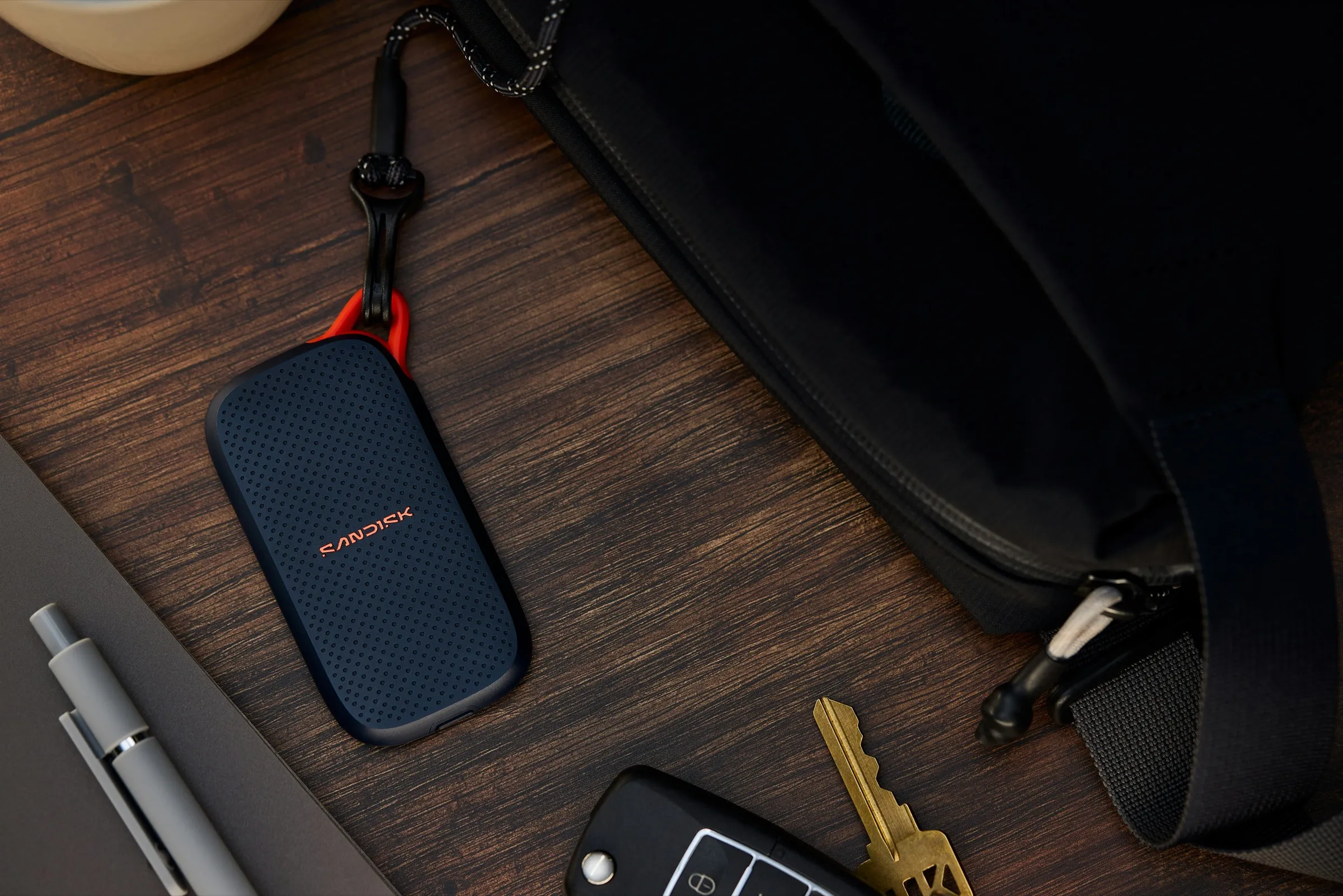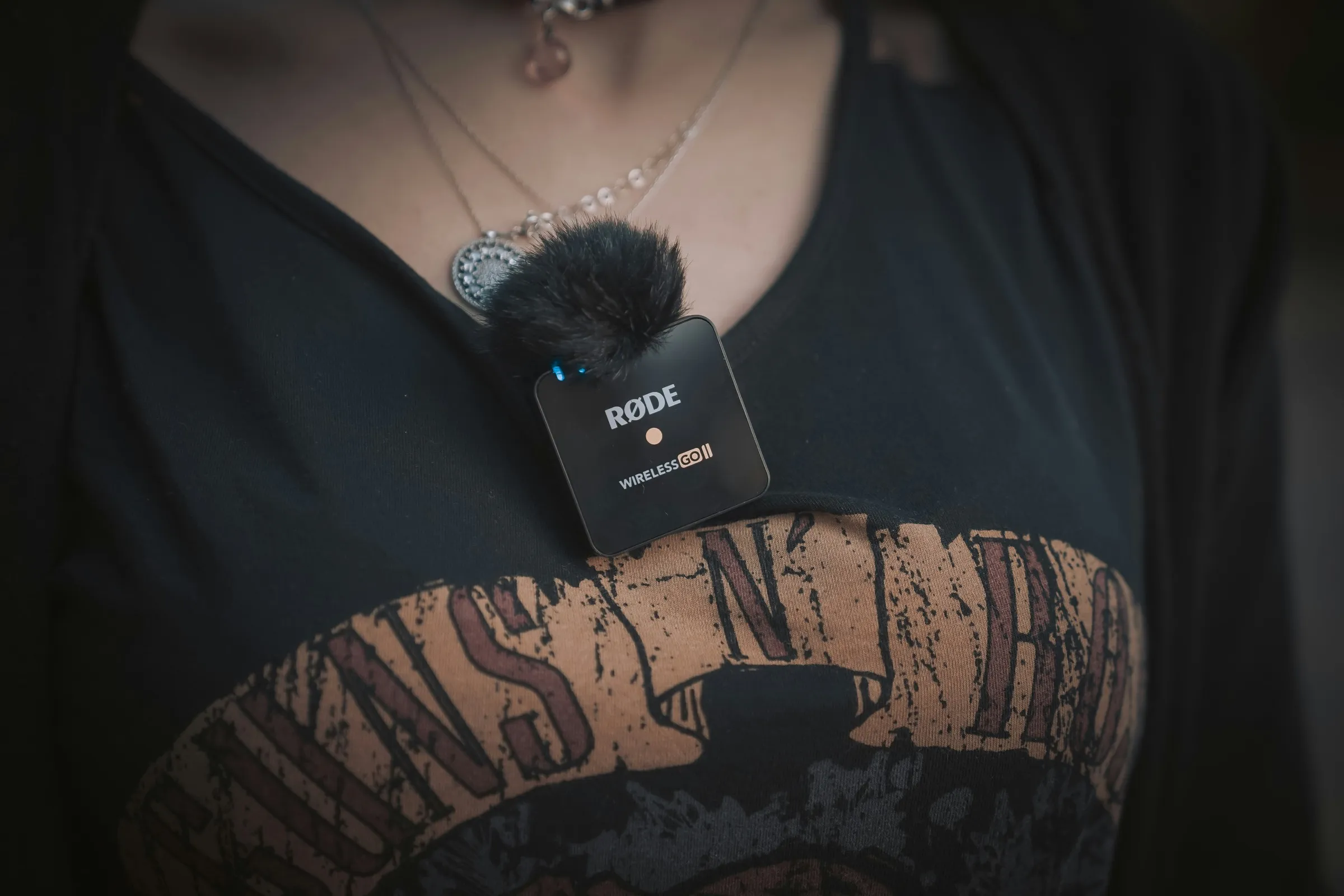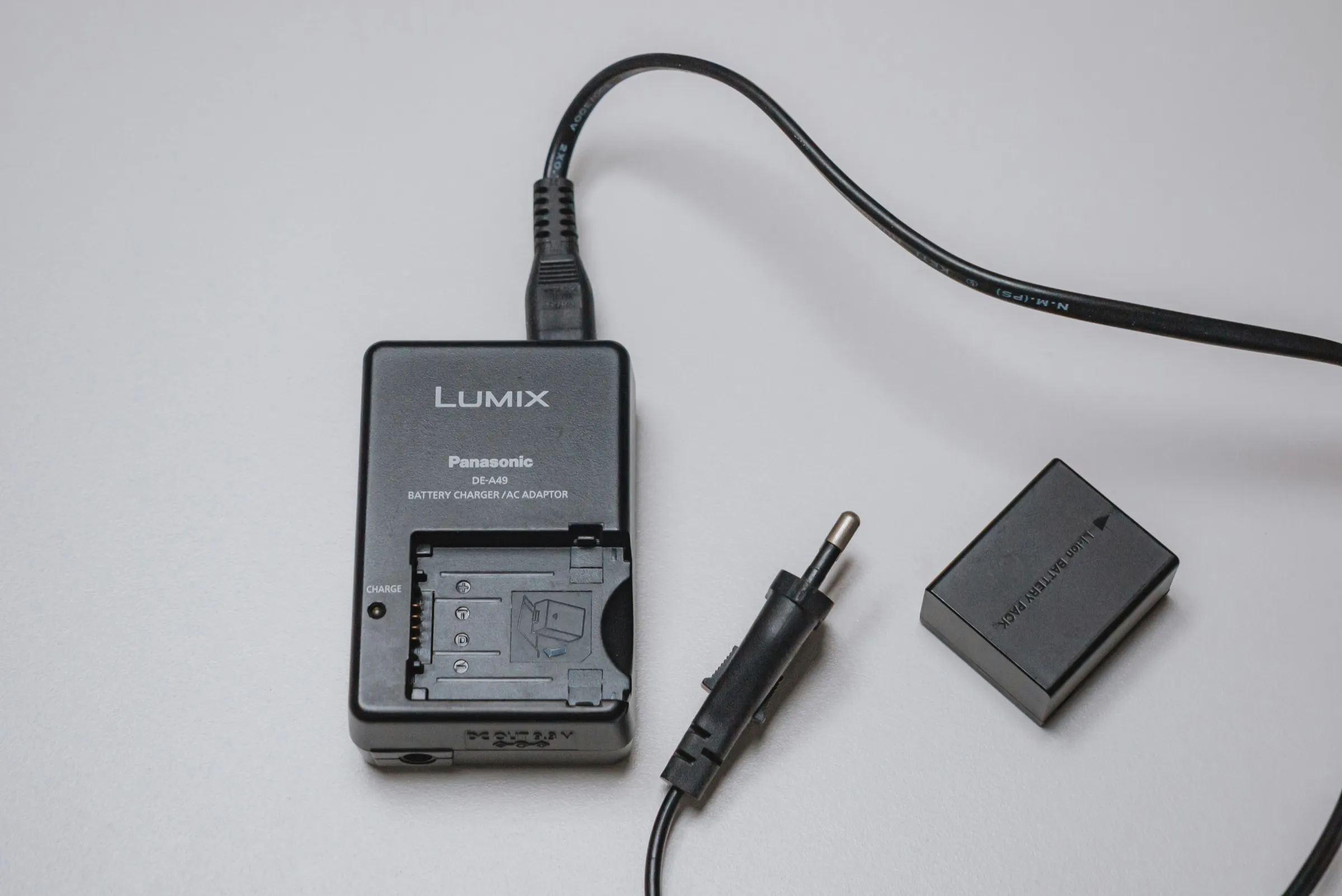
This isn’t an article about gear you’d want to buy – it’s an article about gear that can get confiscated at the airport if you don’t know how to pack it. Lithium batteries have clear rules, and it’s worth knowing them before you’re standing at check-in with a case full of spare batteries.
The basic rule: 100 Wh and carry-on only

Photo Scott Fillmer / Unsplash
You can bring lithium batteries and power banks up to 100 Wh on a plane without special approval – at a typical 3.7 V that works out to roughly 26,800 mAh. Power banks between 100 and 160 Wh need the airline’s prior approval, ideally requested at least 48 hours before departure. Above 160 Wh, that’s it – those aren’t allowed onboard at all.
The second rule is simpler, but people forget it more often: no lithium battery belongs in checked luggage. Always carry-on, whether it’s a power bank, a spare camera battery, or a drone battery. In the cargo hold, unsupervised and exposed to pressure and temperature swings, a fire wouldn’t be noticed or put out in time.
That doesn’t mean you can’t check a proper large bag for clothes and the rest of your gear – something like the Mifex Exclusive PP13 (98 l) is a decent size with a TSA lock for reasonable money. Just don’t put batteries in it – those stay in your carry-on, ideally in a separate protective pouch. A good option for that is a fireproof safety bag for LiPo batteries – at most indoor RC races using one while charging is even mandatory, and not without reason.
What this actually means for a camera and a drone
The good news: ordinary camera batteries are well under the limit. Batteries like the Sony NP-FZ100 run around 16 Wh, so you can bring basically as many as you reasonably need (some airports might ask why you’re carrying a large quantity, but there’s no formal limit). The problem starts with larger drone batteries, which on more powerful models can get close to the 100 Wh limit – there it’s worth knowing your specific battery’s capacity by heart, and maybe even having it written on the battery itself, so you can explain it quickly at a checkpoint.
Each battery should also be in its own protective case or at least a securely sealed bag – not loose at the bottom of your backpack, where something metal could short the contacts.
A power bank that fits the limit with room to spare
If you need a power bank for filming (charging a monitor, a mic, a phone on the road), it’s worth picking something safely under 100 Wh, not just barely over. The AlzaPower Parade Gen2 27000mAh Power Delivery (100W) is 99.9 Wh – just under the threshold where power banks still don’t need airline approval, and at 100 W it can charge even a smaller laptop, not just a phone.
Practical tips to finish
- Charge batteries to roughly 30–50% before a flight, not 100%. It’s more of a safety recommendation than a requirement, but it reduces risk if something gets damaged.
- Take the power bank and spare batteries out separately at the checkpoint, just like a laptop – it speeds up getting through security.
- Check the specific airline’s rules before you travel – the basics (100 Wh, carry-on only) apply everywhere, but budget airlines increasingly add extra restrictions, like banning active use of a power bank in flight.
- Write the battery’s capacity in Wh on a label if it isn’t visible on the casing – it saves a discussion at the checkpoint.
- Flight delayed or cancelled? Get your compensation claim calculated through AirHelp – on long-haul flights with a connection (see Japan), it happens more often than you’d think.
- Insure your gear in advance – with a camera, drones, and batteries worth thousands in your bag, it’s worth having insurance sorted; compare options through EKTA.
And what do I actually bring?
So you know this isn’t just numbers off a manufacturer’s spec sheet – this is my own kit, and I’ve never had a problem with it at an airport. I shoot on a Blackmagic Pocket 6K Full Frame, plus a DJI Mini 4 Pro drone – its spare battery is exactly 18.96 Wh, less than a fifth of the limit – and a DJI RS 4 Pro gimbal, whose battery is around 30 Wh. The combined capacity of every spare battery I normally carry doesn’t come close to 100 Wh even per battery, let alone in total. That’s exactly why camera gear ends up being simpler in practice than people expect – power banks and larger drone batteries are what actually cause problems, not ordinary photo/video gear.
Gear in this post
affiliate · AlzaTransparency: this article contains affiliate links (Alza, EKTA, AirHelp). If you buy something through them, I get a small commission at no extra cost to you – I only recommend things I actually use or would use.
FAQ
How many spare camera batteries can I bring on a plane?
If they're under 100 Wh (and most camera batteries are – a common Sony NP-FZ100 is around 16 Wh), most airlines don't put a strict count limit for personal use, they just need to be in your carry-on, not checked luggage. Still, I wouldn't bring dozens for no reason – some airports will ask why you have that many.
Are camera batteries allowed in checked luggage?
No. All lithium batteries (including ones installed in a camera) belong exclusively in carry-on luggage. In the cargo hold, unsupervised by the crew, a fire wouldn't be noticed or extinguished in time.
Do I need to declare a power bank at the airport?
Not by default, as long as it's under 100 Wh – it just goes through the X-ray as part of your carry-on (ideally taken out, like a laptop). Above 100 Wh (up to 160 Wh) you need the airline's prior approval, usually at least 48 hours before departure.